Delving into cedar shake exterior, this introduction immerses readers in a unique and compelling narrative. Cedar shake siding offers a timeless charm and natural beauty that enhances the aesthetic appeal of any home or building.
As we uncover the details of cedar shake exteriors, we will explore the materials used, installation process, maintenance tips, and durability aspects that make it a popular choice for cladding.
Overview of Cedar Shake Exterior
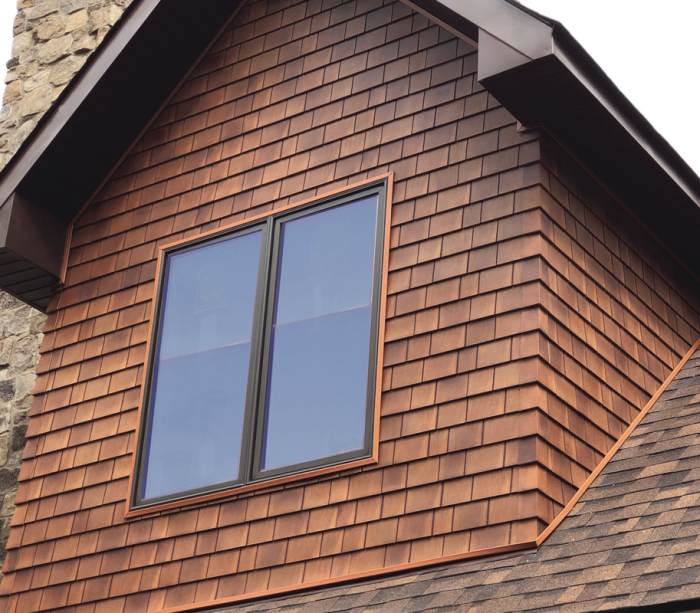
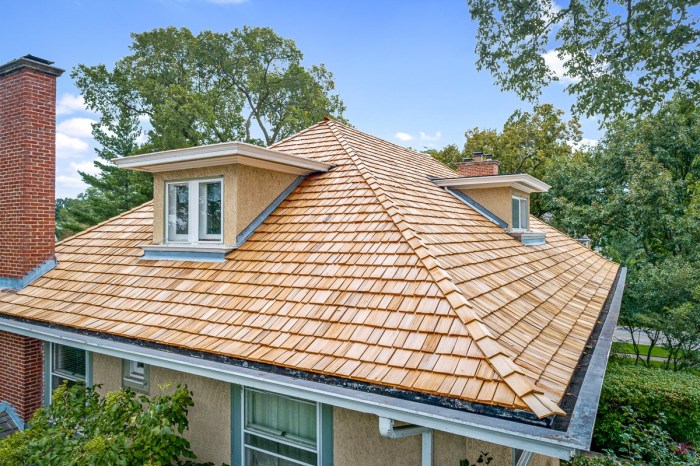
Cedar shake siding is made from split logs of cedar wood, creating a rustic and natural look for exterior cladding. The individual shakes are typically installed overlapping each other to provide protection against the elements.
Benefits of Cedar Shake for Exterior Cladding
- Cedar shake siding is highly durable and can withstand harsh weather conditions, making it a long-lasting option for exterior cladding.
- It is a natural insulator, helping to regulate temperature and reduce energy costs in the home.
- Cedar wood contains natural oils that act as a preservative, making it resistant to decay, insects, and rot.
- The unique texture and grain of cedar shake create a visually appealing exterior that adds character and charm to any home.
Aesthetic Appeal of Cedar Shake Exteriors
The natural beauty of cedar wood adds a warm and inviting look to the exterior of a home. The varying tones and textures of cedar shake create a dynamic and visually interesting facade that stands out in any neighborhood.
Installation Process
Installing a cedar shake exterior involves several steps, tools, and materials to ensure a successful outcome. It is essential to pay attention to detail and follow the proper procedures to achieve a durable and visually appealing finish.
Tools and Materials Needed
- Cedar shakes
- Nails or staples
- Hammer or nail gun
- Roofing felt or underlayment
- Utility knife
- Tape measure
- Ladder or scaffolding
- Safety equipment (gloves, goggles, etc.)
Special Considerations and Challenges
- Weatherproofing: Ensure the substrate is properly weatherproofed before installing cedar shakes to prevent water damage.
- Proper Installation: Cedar shakes should be installed following the manufacturer's guidelines to ensure longevity and performance.
- Maintenance: Regular maintenance is required to keep cedar shakes in good condition, including cleaning, staining, and repairs as needed.
- Expansion and Contraction: Cedar shakes can expand and contract with changes in temperature and humidity, so proper installation techniques are crucial to prevent buckling or warping.
Maintenance and Care
Proper maintenance and care are essential for preserving the beauty and durability of a cedar shake exterior. By following a few simple tips, you can ensure that your siding remains in top condition for years to come.
Regular Cleaning
- Regularly clean your cedar shake exterior with a gentle detergent and water to remove dirt, dust, and debris.
- Avoid using high-pressure washers, as they can damage the wood fibers and lead to premature deterioration.
- Inspect the siding for mold or mildew growth, and treat it promptly to prevent further spreading.
Sealing and Staining
- Apply a quality sealant or stain to protect the cedar shakes from moisture, UV rays, and other environmental factors.
- Reapply sealant or stain every few years, or as recommended by the manufacturer, to maintain optimal protection.
- Regularly check for signs of wear or fading, and touch up any areas that require attention.
Preventing Damage
- Trim back any vegetation near the siding to prevent moisture retention and inhibit mold growth.
- Inspect the cedar shakes for signs of rot, warping, or insect infestation, and address any issues promptly.
- Avoid placing objects against the siding that could trap moisture and cause damage over time.
Durability and Weather Resistance
Cedar shake exteriors are known for their exceptional durability and weather resistance, making them a popular choice for homes in various climates.
Durability of Cedar Shake Exteriors
Cedar shake siding is naturally resistant to rot, decay, and insect damage, thanks to the natural oils present in cedar wood. This inherent durability allows cedar shake exteriors to withstand the test of time, providing long-lasting protection for your home.
Weather Resistance of Cedar Shake Siding
Cedar shake siding is well-suited to withstand different weather conditions, including heavy rain, snow, and harsh sunlight. The natural properties of cedar wood make it resistant to warping, cracking, and splitting, ensuring that your home remains protected and looking beautiful through all seasons.
Enhancing Weather Resistance
To enhance the weather resistance of cedar shake siding, treatments and coatings can be applied. One common option is to treat cedar shakes with a water repellent or sealant to provide an extra layer of protection against moisture. Additionally, staining or painting cedar shakes can help prolong their lifespan and enhance their resistance to UV rays and weathering.
End of Discussion
In conclusion, cedar shake exteriors not only provide a stunning visual appeal but also offer durability and weather resistance. By following proper maintenance and care practices, you can ensure the longevity of your cedar shake siding, adding value and charm to your property.
FAQ Resource
How often should I maintain my cedar shake exterior?
Maintenance for cedar shake siding typically involves cleaning and re-staining every 2-5 years, depending on the climate and exposure to elements.
Can cedar shake siding withstand harsh weather conditions?
Yes, cedar shake exteriors are known for their natural durability and resistance to rot, insects, and harsh weather elements, making them suitable for various climates.
Are there any special treatments to enhance the weather resistance of cedar shake siding?
Applying a protective sealant or stain can help enhance the weather resistance of cedar shake siding, prolonging its lifespan and maintaining its aesthetic appeal.