As the demand for platform architects continues to rise, delving into their world reveals a landscape shaped by expertise and innovation. This guide aims to provide a deep dive into the intricacies of platform architecture, offering insights that are both informative and thought-provoking.
In the following sections, we will explore the responsibilities, design processes, integration strategies, and security measures that define the domain of platform architects.
Role of a Platform Architect
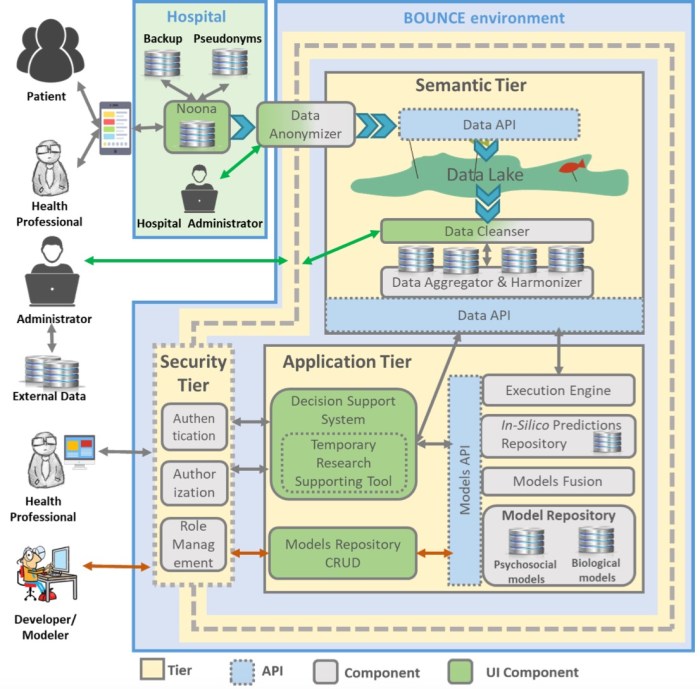
As a platform architect, one holds the crucial responsibility of designing and overseeing the architecture of a system to ensure it meets the organization's needs and goals. This role requires a deep understanding of both technical aspects and business requirements to create a scalable, efficient, and secure platform.
Responsibilities of a Platform Architect
- Developing architecture plans and blueprints for the platform.
- Collaborating with stakeholders to gather requirements and understand business needs.
- Ensuring the platform's scalability, performance, and security.
- Implementing best practices and standards for system development.
- Leading and guiding the development team in implementing the architecture.
Influence on System Architecture
- The platform architect plays a key role in shaping the overall architecture of a system by designing the structure, components, and interactions.
- They ensure that the system is aligned with the organization's objectives and can adapt to future needs and advancements.
- By considering both technical and business aspects, the platform architect creates a robust foundation for the system to operate effectively.
Key Skills and Knowledge
- Proficiency in system design and architecture principles.
- Strong communication and collaboration skills to work with diverse teams and stakeholders.
- Expertise in relevant technologies and tools for platform development.
- Problem-solving abilities to address complex challenges in system architecture.
- Continuous learning and staying updated with industry trends to enhance skills and knowledge.
Platform Architecture Design
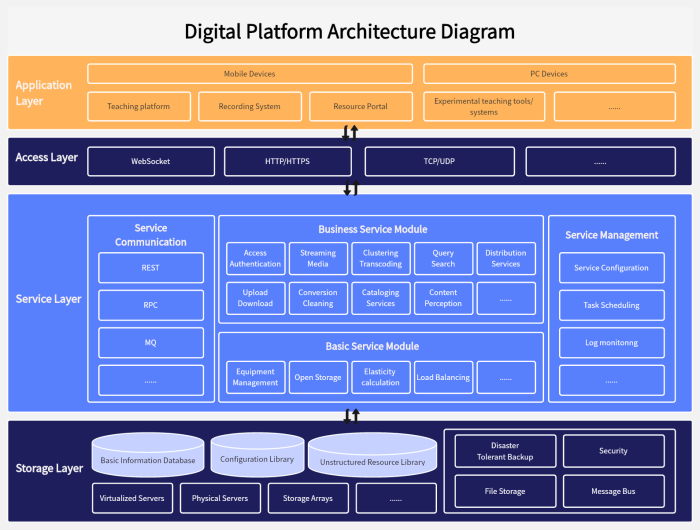
Designing a platform architecture involves creating a blueprint for the overall structure of the platform, outlining how different components will interact and function together seamlessly.
Process of Designing Platform Architecture
The process of designing platform architecture typically involves:
- Identifying the requirements and goals of the platform
- Creating a high-level design that Artikels the overall structure and key components
- Developing detailed designs for each component, including how they will interact with each other
- Considering scalability, flexibility, security, and performance aspects
- Testing and iterating on the design to ensure it meets the needs of the platform
Tools and Technologies in Platform Architecture Design
Commonly used tools and technologies in platform architecture design include:
- Cloud services like AWS, Azure, or Google Cloud for scalability and reliability
- Microservices architecture for flexibility and ease of maintenance
- Containerization tools like Docker and Kubernetes for deployment and management
- API gateways for managing communication between different services
- Monitoring and logging tools for tracking performance and identifying issues
Importance of Scalability and Flexibility
Scalability and flexibility are crucial aspects of platform architecture design because:
- Scalability ensures that the platform can handle increased loads and user demands without compromising performance
- Flexibility allows for easy integration of new features and functionalities as the platform evolves
- Both scalability and flexibility contribute to the long-term success and sustainability of the platform
Integration of Systems

The role of a platform architect in integrating various systems within an organization is crucial for ensuring seamless communication and data flow across different departments and functions. By designing and implementing a robust platform architecture, the platform architect can facilitate the integration of systems to improve efficiency and streamline processes.
Best Practices for Seamless Integration of Systems
- Establish clear communication channels: Ensure that all systems have standardized communication protocols to facilitate data exchange.
- Utilize middleware solutions: Implement middleware tools to bridge the gap between different systems and enable smooth integration.
- Adopt API-driven approach: Develop APIs to allow systems to interact with each other in a standardized and secure manner.
- Perform thorough testing: Conduct extensive testing to identify and resolve any integration issues before deployment.
- Maintain documentation: Keep detailed documentation of system integrations to assist in troubleshooting and future enhancements.
Ensuring Interoperability Among Different Systems
Interoperability is key to ensuring that different systems can work together effectively. A platform architect plays a crucial role in ensuring interoperability by:
- Defining data standards: Establishing common data formats and structures to enable seamless data exchange between systems.
- Implementing data mapping: Creating mappings between different data schemas to facilitate data transformation and interoperability.
- Monitoring system performance: Continuously monitoring system interactions to identify any compatibility issues and address them promptly.
- Implementing governance policies: Enforcing governance policies to ensure that all systems adhere to integration standards and best practices.
Security in Platform Architecture

The security of a platform architecture is paramount in ensuring the protection of sensitive data, preventing cyber threats, and maintaining the overall integrity of the system. Implementing robust security measures is a critical aspect of platform architecture design to safeguard against potential vulnerabilities and attacks.
Importance of Security Measures
Security measures play a crucial role in safeguarding the platform architecture from unauthorized access, data breaches, and malicious activities. By implementing strong security protocols, platform architects can ensure the confidentiality, integrity, and availability of data within the system.
Common Security Challenges
- Inadequate Authentication and Authorization: Weak authentication mechanisms can lead to unauthorized access to the system.
- Data Breaches: Vulnerabilities in the platform architecture can result in data breaches and leakage of sensitive information.
- Insufficient Encryption: Lack of proper encryption techniques can expose data to interception and manipulation.
- DDoS Attacks: Distributed Denial of Service attacks can disrupt the availability of the platform architecture.
Strategies for Implementing Robust Security Protocols
- Implement Multi-Factor Authentication: Utilize multiple layers of authentication to enhance security.
- Regular Security Audits: Conduct periodic security audits to identify and address vulnerabilities in the system.
- Use Strong Encryption: Employ robust encryption algorithms to protect data at rest and in transit.
- Implement Access Control Policies: Define and enforce access control policies to restrict unauthorized access to sensitive data.
Final Review
In conclusion, the role of a platform architect is pivotal in shaping the digital infrastructure of organizations. By mastering the skills and knowledge Artikeld in this guide, aspiring platform architects can navigate the complexities of modern architecture with confidence and proficiency.
FAQ Corner
What are the key responsibilities of a platform architect?
The responsibilities include designing and implementing the overall architecture of a system, ensuring scalability and flexibility, and integrating various systems within an organization.
How does a platform architect influence the overall architecture of a system?
A platform architect influences the architecture by designing robust and scalable systems, incorporating best practices for seamless integration, and ensuring interoperability among different systems.
What are some common security challenges faced by platform architects?
Common challenges include data breaches, cyber attacks, and vulnerabilities in the system architecture. Platform architects must implement robust security protocols to mitigate these risks.