Painting house interior sets the stage for this enthralling narrative, offering readers a glimpse into a story that is rich in detail and brimming with originality. From preparing the room to choosing the right paint and tackling common challenges, this guide covers it all.
How to Prepare the Interior for Painting
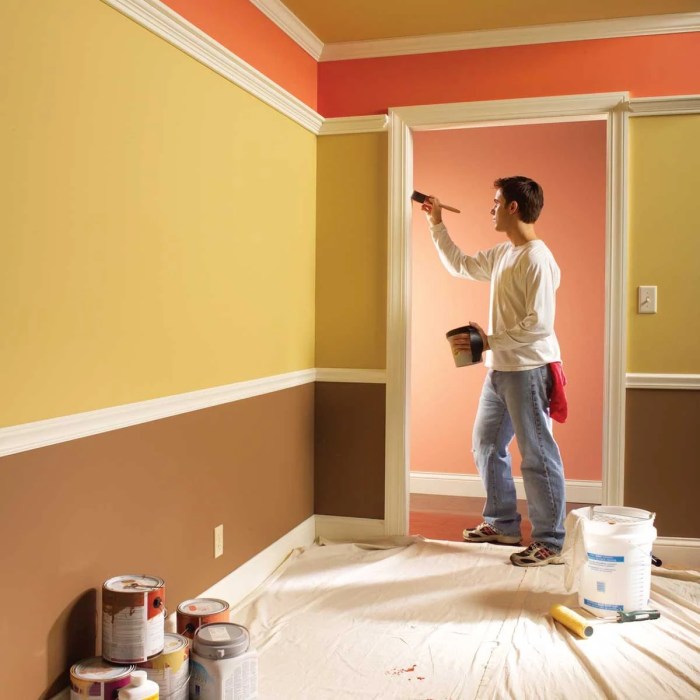
Before starting to paint the interior of a room, it is crucial to properly prepare the space to ensure a smooth and successful painting process.
List of Essential Steps:
- Clean the Walls: Remove dust, dirt, and any grease from the walls using a damp cloth and mild detergent. This step ensures that the paint adheres properly to the surface.
- Repair Damages: Fill in any holes, cracks, or imperfections on the walls with spackling compound and sand them smooth. This helps create a seamless finish after painting.
- Prime the Walls: Applying a coat of primer before painting helps the paint color appear more vibrant and also improves its durability.
- Remove Furniture: Clear the room of furniture or move it to the center and cover it with plastic sheets to protect it from paint splatters.
- Cover Floors and Fixtures: Use drop cloths to cover the floors and any fixtures or outlets to prevent them from getting paint on them.
- Tape Off Edges: Use painter's tape to mask off edges, trim, and any areas that you want to keep paint-free.
Choosing the Right Paint for Interior Walls
When it comes to painting the interior walls of your home, choosing the right type of paint is crucial for achieving the desired look and durability.
Different Types of Paint Finishes
- Eggshell Finish: Offers a soft, low-sheen finish that is easy to clean, making it ideal for living rooms and bedrooms.
- Satin Finish: Provides a subtle sheen and is also easy to clean, suitable for high-traffic areas like hallways and kids' rooms.
- Semi-Gloss Finish: Has a shiny finish that is highly durable and washable, perfect for kitchens and bathrooms.
- Flat Finish: Offers a matte appearance that helps to hide imperfections, best for ceilings and low-traffic areas.
Water-Based Paints vs. Oil-Based Paints
- Water-Based Paints: Quick-drying, low odor, and easy to clean up with water. They are more environmentally friendly but may not be as durable as oil-based paints.
- Oil-Based Paints: Provide a smooth and durable finish that is resistant to wear and tear. They take longer to dry and require mineral spirits for cleanup.
Impact of Color Psychology
Choosing paint colors based on color psychology can significantly influence the mood and ambiance of a room:
- Blue: Creates a sense of calm and tranquility, ideal for bedrooms and bathrooms.
- Yellow: Evokes feelings of happiness and energy, great for kitchens and dining rooms.
- Green: Promotes a sense of harmony and balance, suitable for living rooms and home offices.
- Red: Adds warmth and excitement, perfect for accent walls in living rooms or dining rooms.
Tools and Materials Required for Painting
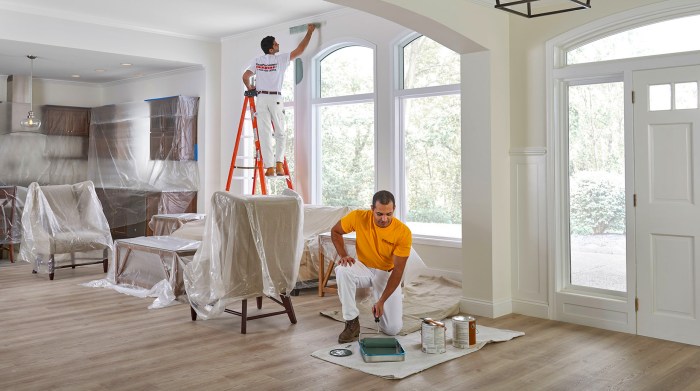
When it comes to painting your interior walls, having the right tools and materials is essential for achieving a professional and flawless finish. Here is a list of essential tools needed for painting interior walls:
Paint Brushes
- Paint brushes come in various sizes and shapes to help you achieve different effects and cover different areas efficiently.
- Choose high-quality paint brushes with synthetic bristles for smooth application and even coverage.
- Investing in a good paint brush will ensure a professional-looking finish on your walls.
Paint Rollers
- Paint rollers are ideal for covering large wall surfaces quickly and evenly.
- Opt for a roller with a medium nap for smooth walls and a longer nap for textured walls.
- Using a high-quality paint roller will help you achieve a uniform finish without streaks or lines.
Painter’s Tape
- Painter's tape is essential for protecting trim, ceilings, and other areas you don't want to paint.
- Ensure the painter's tape is firmly pressed down to prevent paint bleed and achieve clean lines.
- Remove the painter's tape carefully after painting to reveal crisp edges.
Drop Cloths
- Drop cloths are used to protect your floors, furniture, and other surfaces from paint splatters and spills.
- Opt for canvas drop cloths for better durability and protection compared to plastic or paper options.
- Secure the drop cloths in place to ensure complete coverage and easy cleanup after painting.
Paint Trays and Liners
- Paint trays are essential for holding and distributing paint for easy roller application.
- Using disposable liners in your paint tray makes cleanup quick and easy, saving you time and effort.
- Ensure the paint tray is stable and secure to prevent spills and accidents during painting.
Techniques for Painting Interior Walls
When painting interior walls, it is crucial to master the proper techniques to achieve a professional-looking finish. Here are some essential tips to help you paint your walls with precision and skill.
Cutting in Edges
- Start by using a high-quality angled brush to cut in edges along the ceiling, corners, and trim.
- Work in small sections and use steady, controlled strokes to create clean, sharp lines.
- Overlap the cut-in areas slightly with the roller to blend the edges seamlessly.
Avoiding Drips, Streaks, and Brush Marks
- Load the roller or brush with just enough paint to cover the surface without causing drips.
- Avoid overworking the paint, as this can lead to streaks and brush marks on the walls.
- Smooth out any drips or streaks immediately with a dry brush or roller before the paint dries.
Using a Roller in a W or M Pattern
- When painting larger areas, use a roller in a W or M pattern to ensure even coverage.
- Start by rolling the paint in a W or M shape, then fill in the gaps with vertical strokes for a uniform finish.
- Work in small sections and blend the edges while the paint is still wet to avoid overlapping marks.
Dealing with Common Painting Challenges
When painting the interior of your house, you may encounter common challenges such as peeling, bubbling, or cracking paint. It is essential to address these issues promptly to ensure a smooth and long-lasting finish. Here are some solutions and tips to help you tackle these painting problems effectively.
Peeling Paint
Peeling paint is a common issue that occurs when the existing paint layer loses adhesion to the surface. To fix peeling paint, you should:
- Scrape off the peeling paint using a putty knife or scraper.
- Sand the area to smooth out any rough edges.
- Apply a coat of primer to help the new paint adhere better to the surface.
- Repaint the area with a high-quality paint to prevent future peeling.
Bubbling Paint
Bubbling paint is often caused by moisture issues or painting over a dirty or wet surface. To address bubbling paint, follow these steps:
- Identify and fix any sources of moisture in the area.
- Scrape off the bubbled paint carefully.
- Sand the surface and ensure it is clean and dry before repainting.
- Apply a primer before painting to prevent future bubbling.
Cracking Paint
Cracking paint can occur due to temperature changes, poor paint quality, or improper application. To fix cracking paint, consider the following:
- Remove the cracked paint by scraping and sanding the area.
- Fill in the cracks with a spackling compound or caulk.
- Sand the area smooth and apply a primer before repainting.
- Use high-quality paint and apply thin, even coats for a durable finish.
Ultimate Conclusion
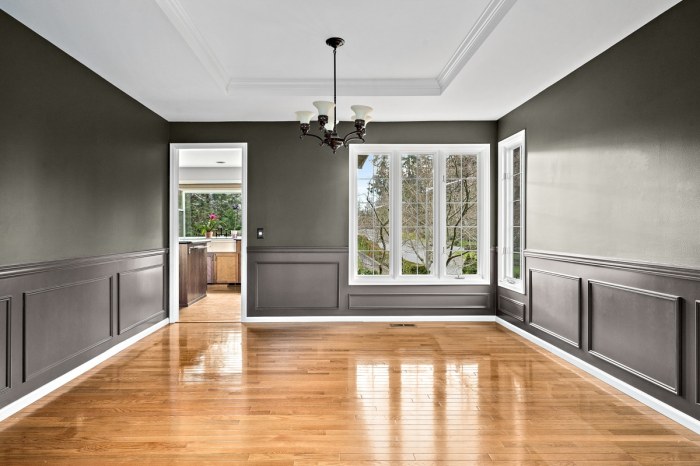
In conclusion, painting your house interior is a transformative process that can breathe new life into your living space. With the right tools, techniques, and a splash of creativity, you can achieve a professional finish that reflects your unique style and personality.
Questions Often Asked
How can I prevent drips and streaks while painting?
Ensure you use the right technique, such as loading your brush properly and applying paint in smooth, even strokes.
What should I do if I encounter peeling paint on my walls?
Scrape off the peeling paint, sand the area, apply a primer, and repaint the surface for a seamless finish.
Is it necessary to prime walls before painting?
Priming helps paint adhere better to the walls and ensures a more durable finish, especially on porous surfaces.