Exploring the cost of new siding and windows unveils a world of factors and considerations that play a crucial role in home improvement projects. From material quality to installation processes, this guide delves into the intricacies of making informed decisions for your home.
Delve deeper into the key elements influencing costs and discover essential insights to help you navigate through the multitude of options available in the market.
Factors Influencing the Cost
When considering the cost of new siding and windows for your home, several key factors come into play that can significantly influence the overall expenses. It is essential to understand these factors to budget effectively and make informed decisions.
Material Quality
The quality of the materials used for the siding and windows is a crucial factor that directly impacts the cost. High-quality materials, such as premium wood or durable vinyl, may come at a higher price point initially but can offer better durability and longevity, reducing the need for frequent repairs or replacements in the long run.
Labor Costs
Labor costs play a significant role in determining the total expenses of installing new siding and windows. The complexity of the installation process, the size of your home, and the expertise of the contractors can all affect the labor costs.
Opting for experienced professionals may cost more upfront but can ensure a high-quality installation that lasts.
Additional Costs
In addition to the materials and labor costs, homeowners should also consider other expenses that can often be overlooked when budgeting for new siding and windows. These may include permits, disposal fees for old materials, trim work, insulation, and any unexpected repairs that may arise during the installation process.
It is crucial to factor in these additional costs to avoid budget overruns and surprises down the road.
Types of Siding and Windows
When it comes to choosing siding and windows for your home, there are several options available in the market. The choice you make can greatly impact the overall cost of the project. Let's take a closer look at the different types of siding materials and window options to help you make an informed decision.
Siding Materials
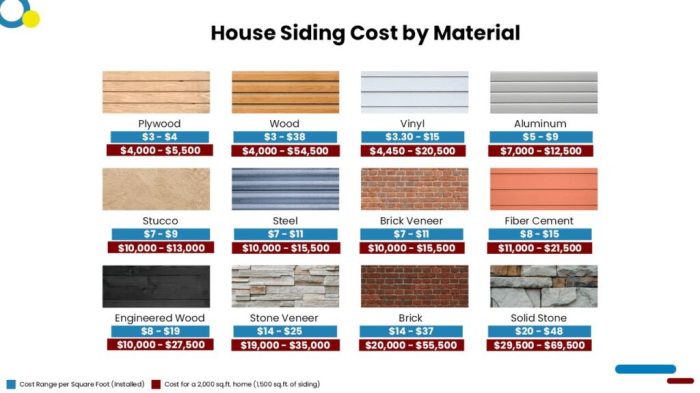
- Vinyl Siding: Vinyl siding is one of the most popular and affordable options. It is durable, low-maintenance, and comes in a variety of colors and styles.
- Wood Siding: Wood siding provides a classic, natural look but requires more maintenance compared to vinyl. It is also more expensive upfront.
- Fiber Cement Siding: Fiber cement siding is a durable and low-maintenance option that mimics the look of wood without the upkeep. It falls in the mid-range in terms of cost.
- Metal Siding: Metal siding is known for its durability and resistance to pests and rot. It is a higher-end option that comes with a higher price tag.
Window Types
- Double-Hung Windows: Double-hung windows are a popular choice that allows both the top and bottom sashes to move. They are versatile and come in a range of prices depending on the material and brand.
- Casement Windows: Casement windows are hinged on the side and open outward. They provide excellent ventilation and are often more expensive than double-hung windows.
- Picture Windows: Picture windows are large, fixed windows that offer unobstructed views and plenty of natural light. They are typically more expensive due to their size and energy efficiency.
Energy-Efficient Windows
Choosing energy-efficient windows can impact both the initial cost of the windows and long-term savings on energy bills. While these windows may have a higher upfront cost, they can help reduce heating and cooling costs over time. Look for windows with a high energy efficiency rating to maximize your savings in the long run.
Installation Process
Installing new siding and windows involves several steps to ensure proper fitting and functionality. Professional installers play a crucial role in the process, impacting the overall cost based on their expertise. The size and complexity of the project can also influence installation expenses.
Here are some tips for homeowners to reduce installation costs without compromising quality.
Typical Steps in Installation
- Preparation: This includes removing old siding or windows, inspecting the area for any repairs needed, and preparing the surface for installation.
- Measurement: Accurate measurements are crucial to ensure the new siding or windows fit properly.
- Installation: Professional installers will carefully install the new siding or windows according to manufacturer guidelines.
- Finishing touches: Trim work, caulking, and sealing are done to ensure a seamless finish and proper insulation.
- Inspection: A final inspection is conducted to ensure everything is installed correctly and meets industry standards.
Role of Professional Installers
Professional installers bring experience and expertise to the project, ensuring that the siding and windows are installed correctly. Their knowledge can help prevent costly mistakes and ensure the longevity of the materials. While hiring professionals may increase the initial cost, it can save money in the long run by avoiding potential issues.
Influence of Project Size and Complexity
The size and complexity of the project can impact installation expenses. Larger homes or projects with intricate designs may require more time and labor, leading to higher costs. Additionally, projects that involve structural changes or unique features may require specialized skills, affecting the overall installation cost.
Tips to Reduce Installation Costs
- Get multiple quotes from different installers to compare prices and services.
- Consider off-season installations when contractors may offer discounts.
- Opt for standard sizes and designs to avoid customization costs.
- Do some prep work yourself, such as removing old siding or windows, to reduce labor costs.
- Maintain open communication with the installer to address any concerns or questions promptly.
Additional Considerations
When planning to replace siding and windows, there are several additional factors to consider to ensure a successful project and make informed decisions.
Obtaining Multiple Quotes
It is essential to obtain multiple quotes from different contractors before making a decision. This allows you to compare prices, services offered, and the quality of materials used. By getting several quotes, you can ensure that you are getting the best value for your investment.
Geographical Location Impact
The geographical location of your property can significantly impact the cost of materials and labor for siding and window replacement. Areas with higher costs of living or limited availability of materials may result in higher overall project costs. It is important to consider these factors when budgeting for the project.
Financing Options
For homeowners looking to replace siding and windows but facing budget constraints, there are several financing options available. These may include personal loans, home equity loans, or financing plans offered by contractors. It is crucial to explore these options and choose the one that best fits your financial situation.
Prioritizing Upgrades
When working within a limited budget, it is essential to prioritize upgrades based on your specific needs and goals. Consider factors such as energy efficiency, curb appeal, and functionality when deciding which areas to focus on first. This approach can help you make the most impact with your budget.
Closure
In conclusion, understanding the cost dynamics of new siding and windows empowers homeowners to make informed choices that align with their budget and preferences. By prioritizing quality and efficiency, you can transform your living space while maximizing long-term savings.
Commonly Asked Questions
What are some overlooked costs when budgeting for new siding and windows?
Homeowners often forget to account for permit fees, disposal costs for old materials, and potential repairs to the structure beneath the siding when budgeting for new siding and windows.
How do energy-efficient windows impact costs?
While energy-efficient windows may have a higher initial cost, they can lead to long-term savings through reduced energy bills, making them a worthwhile investment.