Embark on a creative journey into the world of interior design, where spaces come alive with personality and functionality. From exploring design principles to diving into specialized career paths, this topic delves deep into the art and science of creating captivating interiors.
Introduction to Interior Design Studies
Interior design is the art and science of enhancing the interior of a space to achieve a healthier and more aesthetically pleasing environment for the people using that space. It involves creating functional and visually appealing designs that enhance the quality of life and culture of the occupants.
Interior designers play a crucial role in transforming spaces into functional, safe, and beautiful environments that meet the needs and preferences of the clients.
Significance of Interior Design
Interior design is significant as it impacts our daily lives by influencing how we feel in a space. A well-designed interior can boost productivity, enhance mood, and improve overall wellbeing. It also plays a vital role in creating efficient and functional spaces that cater to the specific needs of individuals or businesses.
Role of Interior Designers
Interior designers are responsible for planning, designing, and overseeing the execution of interior spaces. They collaborate with architects, engineers, and clients to create designs that are both aesthetically pleasing and functional. Interior designers consider factors such as lighting, color schemes, furniture, and spatial layouts to create harmonious and cohesive designs.
Skills Needed for Success
To succeed in the field of interior design, one needs a combination of creativity, technical knowledge, and communication skills. Interior designers must be able to visualize concepts, understand design principles, and communicate their ideas effectively to clients and collaborators. Additionally, skills in project management, problem-solving, and attention to detail are essential for a successful career in interior design.
Educational Paths and Requirements
Interior design offers various educational paths for aspiring professionals, each with its own set of requirements and coursework. Let's explore the typical educational journey of an interior design student, along with the skills acquired and the importance of practical experience in this field.
Types of Educational Paths
- Associate's Degree: A two-year program that provides a foundational understanding of interior design principles and techniques.
- Bachelor's Degree: A four-year program that delves deeper into design theory, history, and practical application.
- Master's Degree: For those looking to specialize further or pursue leadership roles in the field.
Typical Coursework and Skills Acquired
Interior design students typically engage in a variety of coursework that covers design principles, space planning, color theory, and building codes. They also develop skills in drafting, computer-aided design (CAD), and project management.
Importance of Internships or Practical Experience
Internships or practical experience play a crucial role in an interior design student's education. They provide hands-on experience, exposure to real-world projects, and the opportunity to build a professional network. Additionally, internships allow students to apply classroom knowledge in a practical setting and gain valuable insights into the industry.
Fundamental Concepts in Interior Design
Interior design is a multifaceted discipline that involves a deep understanding of various fundamental concepts to create aesthetically pleasing and functional spaces. Let's explore some key principles that form the foundation of interior design.
Design Principles
- Balance: Achieving visual equilibrium in a space by distributing visual weight evenly.
- Harmony: Creating a cohesive and unified look by coordinating elements within a space.
- Proportion: Ensuring that the size of objects and elements in a space relate well to each other.
- Scale: Considering the size of objects in relation to the space they occupy to create a sense of proportion.
Color Theory
Color plays a crucial role in interior design as it can evoke emotions, set the mood, and define the aesthetic of a space. Understanding color theory is essential for creating harmonious interiors.
- Primary colors: Red, blue, and yellow are the building blocks of all other colors.
- Color schemes: Analogous, complementary, and monochromatic color schemes help create visual interest and balance in a space.
- Psychological effects: Different colors can influence mood and perception, leading to various effects in interior spaces.
Lighting, Texture, and Pattern
Lighting, texture, and pattern are elements that add depth, dimension, and visual interest to interior spaces. They play a vital role in creating dynamic and engaging environments.
- Lighting: Proper lighting design can enhance the ambiance, highlight focal points, and improve functionality in a space.
- Texture: Incorporating different textures like rough, smooth, shiny, or matte can add tactile appeal and create visual contrast.
- Pattern: Patterns can inject personality, movement, and visual intrigue into a space, whether through textiles, wallpapers, or artwork.
Design Processes and Techniques
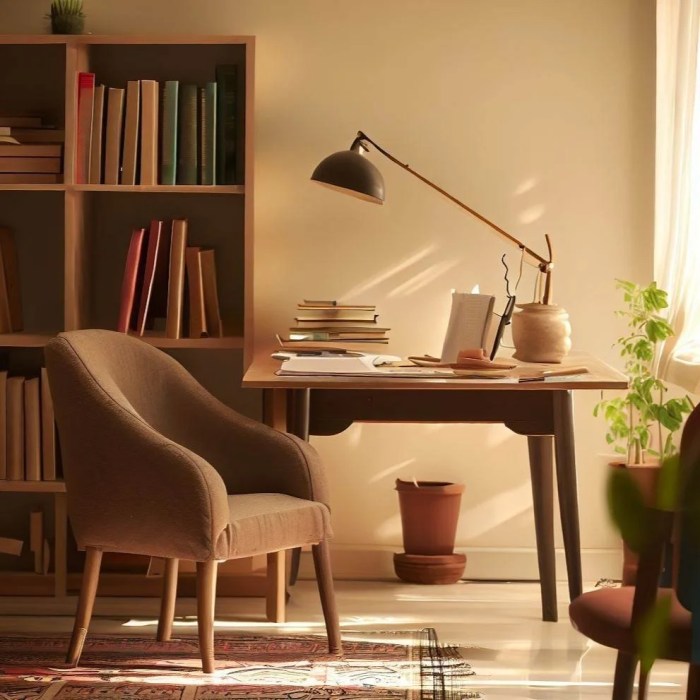
Interior designers follow a step-by-step process from concept development to final execution, utilizing software tools like CAD and 3D modeling. Different design techniques such as space planning, furniture arrangement, and material selection play a crucial role in creating functional and visually appealing spaces.
Step-by-Step Process for Interior Design
- Concept Development: Interior designers start by understanding the client's needs and preferences to develop a design concept.
- Schematic Design: This phase involves creating initial sketches and layouts to visualize the space.
- Design Development: Detailed drawings and plans are developed, specifying materials, colors, and finishes.
- Construction Documentation: Technical drawings are prepared for contractors to follow during the construction phase.
- Construction Administration: Interior designers oversee the implementation of the design during the construction process.
- Final Walkthrough: The project is inspected to ensure it meets the client's expectations before final handover.
Use of Software Tools in Design Process
- CAD (Computer-Aided Design): Interior designers use CAD software to create precise floor plans, elevations, and 3D models of spaces.
- 3D Modeling: 3D modeling software allows designers to render realistic images of the proposed design, helping clients visualize the final result.
Different Design Techniques
- Space Planning: Interior designers strategically plan the layout of furniture and fixtures to optimize the functionality of a space.
- Furniture Arrangement: Placement of furniture plays a significant role in creating a harmonious and balanced interior design.
- Material Selection: Choosing the right materials for flooring, walls, and furnishings is crucial in achieving the desired aesthetic and functionality of a space.
Specializations and Career Paths
Interior design offers a variety of specializations for professionals to choose from, each focusing on different aspects of design and implementation. Additionally, there are various career paths that interior design graduates can pursue, ranging from traditional roles in firms to more entrepreneurial opportunities.
Residential Design
Residential design focuses on creating functional and aesthetically pleasing living spaces for individuals and families. Designers in this specialization work closely with clients to understand their needs and preferences, translating them into personalized interior solutions.
Commercial Design
Commercial design involves creating interior spaces for businesses, offices, retail stores, and other commercial establishments. Designers in this field often need to consider factors such as brand identity, customer experience, and functionality to create spaces that align with the business goals.
Sustainable Design
Sustainable design emphasizes environmentally friendly practices and materials to create spaces that are both beautiful and eco-conscious. Designers in this specialization focus on using renewable resources, energy-efficient systems, and sustainable practices to reduce the environmental impact of their projects.
Career Paths
Interior design graduates have a wide range of career opportunities to explore, including working in design firms, architectural firms, or even starting their own freelance businesses. Some may choose to specialize in a specific area of design, while others may opt for a more generalist approach.
Current Trends and Future Outlook
In the interior design industry, current trends include the use of biophilic design, smart technology integration, and sustainable practices. As the industry continues to evolve, there is a growing demand for designers who can adapt to changing preferences and technologies.
Looking ahead, the future of interior design is expected to focus more on wellness design, flexible workspaces, and virtual reality integration to enhance the overall user experience.
Ending Remarks
As we conclude our exploration of interior design studies, we've uncovered the essential skills, concepts, and career opportunities that await budding designers. The future of this dynamic industry holds endless possibilities for those passionate about transforming spaces and making a lasting impact.
FAQ Corner
What are the key skills needed to succeed in interior design?
To excel in interior design, one must have a keen eye for detail, creativity, strong communication skills, and the ability to work well under pressure.
Are internships necessary for studying interior design?
Yes, internships provide valuable hands-on experience and networking opportunities that can greatly enhance your understanding of the industry.
What are some common specializations within interior design?
Common specializations include residential design, commercial design, sustainable design, and hospitality design.