Aluminum siding dent repair introduces readers to the world of maintaining and fixing dents in this versatile material. From understanding the causes of dents to exploring the repair process, this guide dives deep into the intricacies of aluminum siding care and maintenance.
As we delve further into the tools, techniques, and finishing touches required for aluminum siding dent repair, readers will gain valuable insights into preserving the aesthetic appeal and structural integrity of their siding.
Introduction to Aluminum Siding Dent Repair
Aluminum siding is a popular choice for many homeowners due to its durability, low maintenance, and resistance to rust and rot. However, just like any other exterior material, aluminum siding can still be susceptible to dents from various sources.
Common causes of dents in aluminum siding include hail storms, fallen tree branches, accidental impacts, and even regular wear and tear over time. These dents not only affect the appearance of your home but can also compromise the integrity of the siding, leading to potential water damage and other issues.
Importance of Maintaining Aluminum Siding
Proper maintenance of aluminum siding is crucial to ensure its longevity and performance. Regular inspection and timely repair of dents can help prevent further damage and extend the lifespan of your siding. By addressing dents promptly, you can maintain the curb appeal of your home and protect it from potential structural issues.
Brief Overview of the Dent Repair Process
- Assessment of the damage: The first step in repairing dents in aluminum siding is to assess the extent of the damage. This involves inspecting the affected areas and determining the best approach for repair.
- Dent removal techniques: There are various techniques for removing dents from aluminum siding, including using specialized tools, applying heat to the dented area, or employing the services of a professional.
- Repainting or touch-up: Once the dents have been repaired, you may need to repaint or touch up the affected areas to blend them seamlessly with the rest of the siding.
Tools and Materials Needed for Aluminum Siding Dent Repair
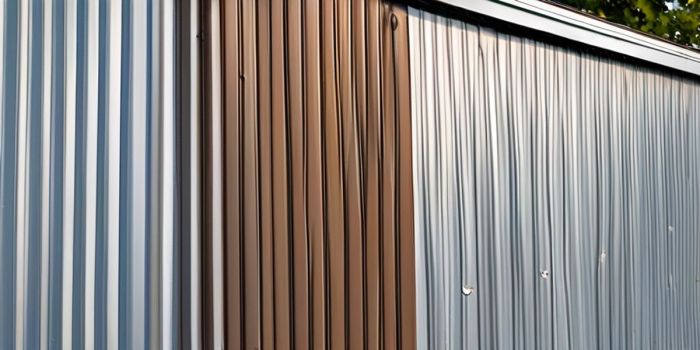
When repairing dents in aluminum siding, it is essential to have the right tools and materials to ensure a successful repair job.
Essential Tools for Aluminum Siding Dent Repair
- Dent Puller: A dent puller is used to pull the dent out of the aluminum siding.
- Heat Gun: A heat gun helps to soften the aluminum, making it easier to manipulate and remove the dent.
- Rubber Mallet: A rubber mallet is used to gently tap out the dent from the inside of the siding.
- Sanding Block: A sanding block is essential for smoothing out the repaired area once the dent has been removed.
- Paint and Primer: After repairing the dent, paint and primer are needed to match the color of the siding and protect it from the elements.
Types of Materials Used in the Repair Process
- Aluminum Patch: An aluminum patch is used to cover any holes or damage left behind after removing the dent.
- Bondo Filler: Bondo filler is a compound used to fill in any remaining imperfections in the siding before painting.
- Sanding Paper: Sanding paper is used to smooth out the Bondo filler and prepare the surface for painting.
- Paintbrushes: Paintbrushes are needed to apply the paint and primer to the repaired area.
- Protective Gear: Safety goggles, gloves, and a mask should be worn when working with the tools and materials to protect yourself from any potential hazards.
Preparing the Surface for Repair
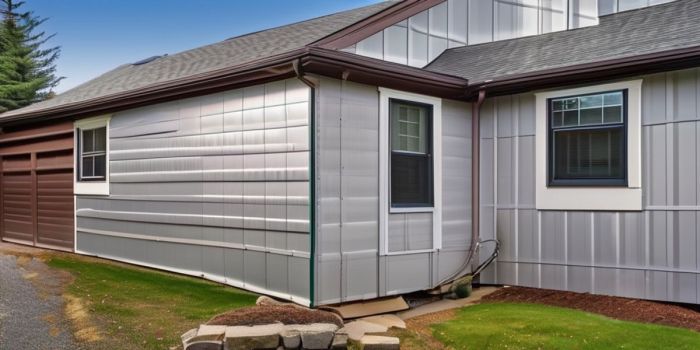
When it comes to repairing dents in aluminum siding, proper preparation of the surface is crucial to ensure a successful repair job. By following the necessary steps and assessing the damage accurately, you can effectively restore the appearance of the siding.
Cleaning the Surface
Before beginning any repairs, it is essential to clean the dented area thoroughly. Use a mild detergent and water to remove any dirt, grime, or debris that may be present on the surface. This step is important as it allows for better adhesion of the repair materials and ensures a smooth finish once the repair is complete.
Assessing the Damage
To determine the extent of the damage to the aluminum siding, carefully inspect the dented area. Look for any cracks, creases, or sharp edges that may require additional attention. Assess whether the dent has caused any structural damage or if it is purely cosmetic.
This evaluation will help you choose the appropriate repair method and materials needed for the job.
Techniques for Repairing Aluminum Siding Dents
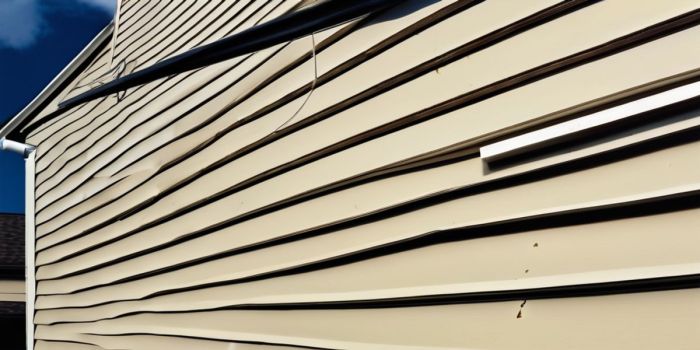
When it comes to repairing dents in aluminum siding, there are various techniques available to choose from. These techniques range from traditional methods to more modern approaches, each with its own set of advantages and disadvantages.
Traditional Dent Repair Techniques
- Using a rubber mallet and block: This method involves gently tapping the dent with a rubber mallet and block to push the aluminum back into place.
- Applying heat: Heating the dent with a heat gun can help the aluminum become more pliable, making it easier to manipulate and remove the dent.
- Using a suction cup: Placing a suction cup over the dent and pulling can sometimes be effective in popping the dent back out.
Modern Dent Repair Approaches
- Paintless Dent Repair (PDR): PDR involves using specialized tools to massage the dent out from the inside of the panel without the need for repainting.
- Dent Pulling Systems: These systems use glue tabs and pulling mechanisms to gradually pull the dent out from the surface of the aluminum siding.
- Aluminum Siding Dent Repair Kits: These kits typically include everything you need to repair dents in aluminum siding, including tools and materials for both traditional and modern techniques.
Finishing and Painting After Dent Repair
After repairing a dent in aluminum siding, finishing and painting are crucial steps to ensure a seamless and professional-looking repair. Not only does this help restore the appearance of the siding, but it also protects the repaired area from rust and corrosion.
Steps for Finishing the Repaired Area
- Clean the repaired area thoroughly to remove any dirt, dust, or debris that may affect the paint adhesion.
- Apply a primer specifically designed for metal surfaces to promote better paint adhesion and prevent peeling or flaking.
- Use a high-quality exterior paint that matches the color of the existing siding. It is essential to choose a paint that is suitable for metal surfaces and can withstand outdoor elements.
- Apply the paint evenly and in thin coats, allowing each coat to dry completely before applying the next one. This helps achieve a smooth and uniform finish.
- Finish off the painted area with a clear coat to provide an extra layer of protection against UV rays, moisture, and other environmental factors.
Tips for Matching Paint Color to Existing Siding
- Take a sample of the existing siding to a paint store to get a color match. It's important to ensure that the new paint blends seamlessly with the rest of the siding.
- If a perfect match is not available, consider painting a larger section of the siding to create a more cohesive look rather than trying to match a small repaired area.
- Always test the paint color on a small inconspicuous area of the siding before painting the repaired section to ensure it matches correctly.
- Consider consulting with a professional painter or color specialist for guidance on color matching and achieving the desired finish.
Closure
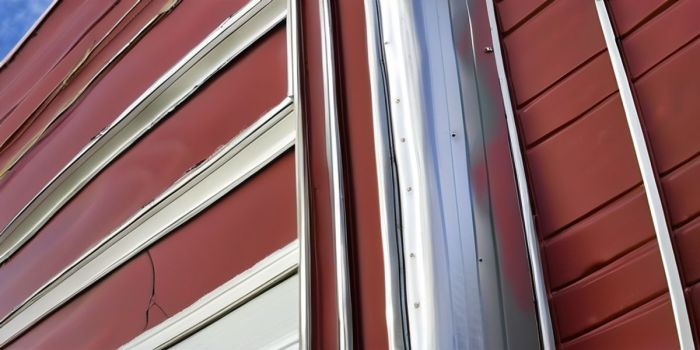
In conclusion, aluminum siding dent repair is not just about fixing dents—it's about preserving the beauty and durability of your home's exterior. By following the steps Artikeld in this guide, you can ensure that your aluminum siding remains in top condition for years to come.
FAQ Compilation
What are the common causes of dents in aluminum siding?
Common causes include hail damage, impacts from objects, and wear and tear over time.
Do I need specialized tools for repairing aluminum siding dents?
Yes, essential tools include a rubber mallet, suction cup dent puller, and a heat gun.
How can I match the paint color to my existing siding after repair?
Take a small piece of the siding to a paint store for color matching or consult with a professional for assistance.