Step into the world of exterior wood plank siding, where the natural elegance of wood meets the practicality of construction. Discover the timeless appeal and versatility of this siding option as we delve into its various aspects.
From installation techniques to design trends, this comprehensive guide will navigate you through everything you need to know about exterior wood plank siding.
Introduction to Exterior Wood Plank Siding
Exterior wood plank siding is a popular choice for covering the exterior walls of buildings. It consists of long, horizontal pieces of wood that are installed overlapping each other to create a protective barrier against the elements.
One of the main purposes of exterior wood plank siding is to provide insulation and protection for the structure, helping to regulate temperature and prevent moisture from seeping into the interior of the building. It also adds a natural and rustic look to the exterior, enhancing the overall aesthetic appeal.
Benefits of Using Exterior Wood Plank Siding
- Enhanced insulation properties, helping to reduce heating and cooling costs.
- Natural beauty and warmth, adding character to the building's exterior.
- Durability and longevity when properly maintained.
- Environmentally friendly, as wood is a renewable resource.
Types of Wood Commonly Used for Exterior Siding
- Cedar: Known for its natural resistance to decay and insects, making it a popular choice for exterior siding.
- Pine: A cost-effective option that can be treated to improve durability and longevity.
- Spruce: Offers a smooth surface for painting or staining, providing versatility in design options.
- Redwood: Highly durable and naturally resistant to decay, with a rich color that ages beautifully over time.
Installation of Exterior Wood Plank Siding
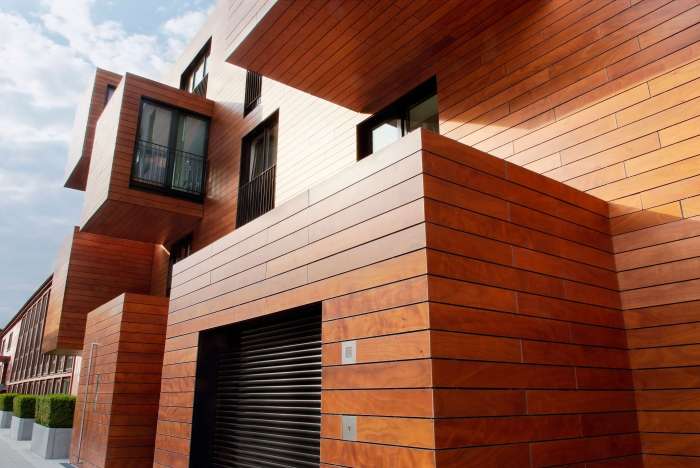
Installing exterior wood plank siding can enhance the aesthetic appeal of your home while providing protection against the elements. Proper installation is crucial to ensure longevity and durability. Here is a step-by-step guide on how to install exterior wood plank siding.
Tools and Materials Needed
To install exterior wood plank siding, you will need the following tools and materials:
- Wood planks
- Hammer or nail gun
- Nails or screws
- Level
- Tape measure
- Saw
- Caulk
- Primer and paint
Step-by-Step Guide
- Prepare the surface: Ensure the surface where the siding will be installed is clean, dry, and smooth. Remove any existing siding or trim as needed.
- Measure and cut the planks: Measure the dimensions of the area where the siding will be installed and cut the wood planks to fit using a saw.
- Install starter strip: Begin by installing a starter strip at the bottom of the wall to provide a level base for the first row of planks.
- Attach the planks: Start installing the wood planks from the bottom row, making sure each plank is level and securely attached with nails or screws.
- Overlap the planks: Ensure that each plank overlaps the one below it to prevent water from seeping in between the planks.
- Finish the corners and edges: Cut the planks to fit around corners and edges, and use caulk to seal any gaps for a seamless finish.
- Prime and paint: Once the siding is installed, prime and paint it to protect the wood from moisture and UV damage.
Maintenance and Care of Exterior Wood Plank Siding
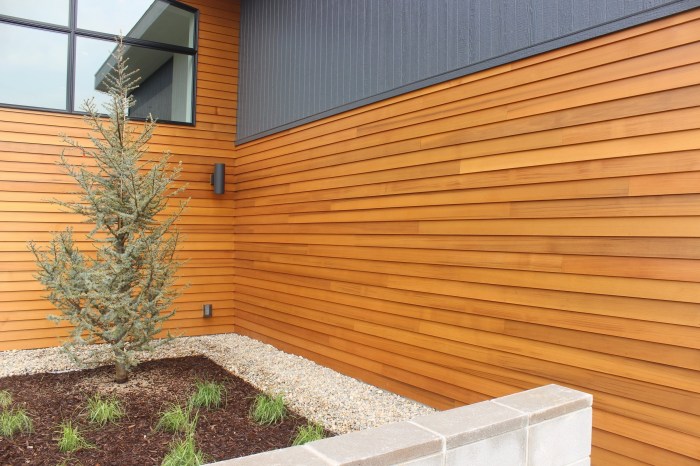
Proper maintenance is essential to ensure the longevity and appearance of exterior wood plank siding. By following regular maintenance tasks and protective measures, you can keep your siding in excellent condition for years to come.
Regular Maintenance Tasks
- Inspect the siding annually for any signs of damage, such as cracks, rot, or peeling paint.
- Clean the siding with a mild detergent and water solution to remove dirt, mold, and mildew buildup.
- Trim any vegetation near the siding to prevent moisture retention and potential damage.
- Check for gaps or loose boards and repair or replace them promptly to maintain the integrity of the siding.
Protecting Wood Siding from the Elements
Exterior wood plank siding is exposed to various weather conditions, making it vulnerable to damage if not properly protected:
- Apply a water repellent sealant to protect the wood from moisture penetration and prevent rotting.
- Ensure proper ventilation behind the siding to allow airflow and prevent moisture buildup.
- Consider installing overhangs or gutters to redirect water away from the siding and minimize exposure to rain.
- Regularly inspect and maintain the paint or stain on the siding to provide a protective barrier against the elements.
Importance of Staining or Painting
Staining or painting exterior wood plank siding is crucial for preserving the wood and enhancing its aesthetic appeal:
- Staining helps to penetrate and protect the wood from UV rays, moisture, and mold, extending its lifespan.
- Painting provides a protective layer that seals the wood and adds a decorative finish to complement your home's exterior.
- Regularly touch up or repaint the siding every few years to maintain its protective properties and keep it looking fresh.
Design Trends and Finishes for Exterior Wood Plank Siding
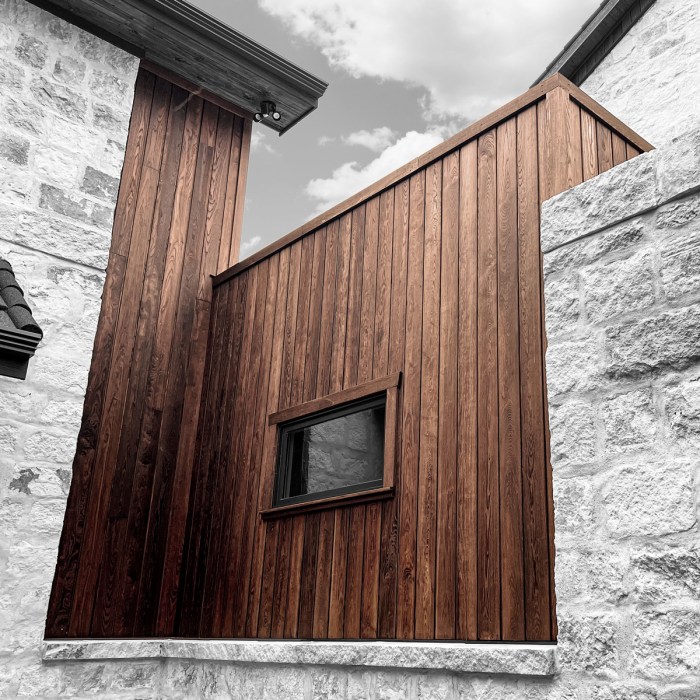
Wood plank siding has been a popular choice for exterior cladding due to its natural beauty and versatility. Let's explore the current design trends and finishes that can enhance the overall aesthetic of a building.
Current Design Trends
- Natural Wood Finishes: Embracing the natural beauty of wood with clear sealants or transparent stains to showcase the grain and texture of the wood.
- Modern Minimalist Designs: Clean lines and simple profiles that give a contemporary look to the exterior of a building.
- Mixed Materials: Combining wood siding with other materials like metal or stone for a unique and visually appealing facade.
Popular Finishes for Wood Siding
- Painted Finishes: Bold or muted colors can be used to add a pop of color or create a cohesive look with the rest of the building.
- Weathered or Distressed Finishes: Achieving a rustic and aged appearance through techniques like wire brushing or pickling.
- Shou Sugi Ban: A Japanese technique of charring the wood to enhance its durability and create a striking black finish.
Enhancing Aesthetic Appeal
Wood plank siding can significantly enhance the overall aesthetic of a building by adding warmth, texture, and character. The natural variations in wood grain and color create a sense of depth and visual interest that can make a building stand out.
Additionally, the choice of finish and design can help complement the architectural style of the building, whether it's a traditional farmhouse or a modern urban loft.
Final Wrap-Up
As we conclude our exploration of exterior wood plank siding, one thing is clear - the beauty and functionality of this siding choice can truly transform the look of any building. Embrace the warmth of wood and the durability it offers, making your exterior truly stand out.
Clarifying Questions
How often should exterior wood plank siding be repainted or stained?
It is recommended to repaint or restain exterior wood plank siding every 3-7 years to maintain its appearance and protect it from the elements.
Can exterior wood plank siding be installed over existing siding?
Yes, in most cases, exterior wood plank siding can be installed over existing siding as long as the surface is properly prepared and in good condition.
What is the average lifespan of exterior wood plank siding?
With proper maintenance, exterior wood plank siding can last anywhere from 20 to 40 years, depending on the type of wood and environmental factors.