Gaudi Church stands as a testament to architectural brilliance and artistic ingenuity, captivating visitors with its awe-inspiring design and rich history. From its intriguing inception to the intricate construction process, every aspect of this iconic landmark tells a fascinating story that continues to enchant all who behold it.
Delve deeper into the world of Gaudi Church as we unravel its architectural features, construction challenges, and its enduring appeal as a top tourist attraction in Barcelona.
History of Gaudi Church
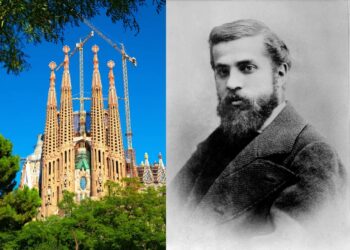
The Gaudi Church, officially known as the Basilica de la Sagrada Familia, was designed by the renowned Catalan architect Antoni Gaudi. The construction of this iconic church began in 1882, with Gaudi taking over as the lead architect the following year.
Historical Significance of Gaudi Church in Barcelona
The Gaudi Church holds immense historical significance in Barcelona as it represents a unique blend of Gothic and Art Nouveau architectural styles. It has become one of the most famous landmarks of the city and a symbol of Catalan modernism.
Despite its incomplete status, the church attracts millions of visitors from around the world each year.
Inspiration behind the Design of Gaudi Church
Antoni Gaudi drew inspiration from nature, religious symbolism, and his deep faith in Christianity when designing the Gaudi Church. The intricate details, organic shapes, and colorful facades of the church are a reflection of Gaudi's innovative architectural vision. His goal was to create a structure that would inspire awe and reverence, and the Gaudi Church certainly achieves that with its unique and breathtaking design.
Architectural Features
The Gaudi Church, also known as the Sagrada Familia, is renowned for its unique architectural elements that set it apart from traditional churches. Antoni Gaudi, the mastermind behind this masterpiece, incorporated various innovative features that showcase his creativity and vision.
Unique Architectural Elements
- Gaudi's use of hyperboloid structures and intricate facades creates a sense of movement and fluidity in the design of the church.
- The towering spires and intricate details of the exterior draw inspiration from natural forms, such as tree branches and leaves, giving the church an organic and dynamic appearance.
- The use of vibrant stained glass windows allows natural light to filter into the interior, creating a mesmerizing play of colors and enhancing the spiritual experience for visitors.
- Gaudi's innovative use of parabolic arches and geometric shapes not only adds to the structural stability of the church but also creates a visually stunning and harmonious design.
Symbolism in Design
The design of the Gaudi Church is rich in symbolism, with each architectural element carrying profound meaning and spiritual significance. For instance, the facades of the church are adorned with intricate sculptures and motifs that depict biblical scenes and symbols, inviting visitors to contemplate and reflect on their faith.
Nature-Inspired Motifs
- Gaudi's deep connection to nature is evident in the architecture of the church, with elements such as the tree-like columns and organic shapes mirroring the beauty and complexity of the natural world.
- The use of sculpted animals, plants, and geometric patterns inspired by nature's forms adds a sense of harmony and balance to the overall design, creating a space that feels both awe-inspiring and peaceful.
Construction Process
The construction of the Gaudi Church, also known as the Sagrada Familia, faced numerous challenges throughout the years. From funding issues to technical difficulties, the project encountered obstacles that delayed its completion.
Challenges Faced
- Financial Constraints: Gaudi's ambitious vision required substantial funding, which was not always readily available. This led to interruptions in the construction process.
- War and Civil Unrest: The Spanish Civil War and World War II disrupted construction activities, causing further delays.
- Architectural Complexity: The intricate design of the church presented engineering challenges that had to be overcome by the construction team.
Innovative Construction Techniques
- Hyperboloid Structures: Gaudi utilized hyperboloid geometry in the construction of the church, creating unique and innovative architectural elements.
- Self-Supporting Model: Gaudi developed a self-supporting model of the church to test the structural stability of the design before actual construction began.
- Catenary Arch Design: The use of catenary arches in the construction allowed for greater height and openness within the church's interior space.
Materials Used and Significance
- Stone and Brick: The primary materials used in the construction of the Gaudi Church were stone and brick, chosen for their durability and aesthetic appeal.
- Natural Light: Gaudi incorporated the use of stained glass windows to allow natural light to filter into the church, creating a unique ambiance and enhancing the spiritual experience for visitors.
- Mosaic Artwork: Intricate mosaic designs were created using ceramic tiles, adding to the decorative beauty of the church's facades and interior.
Tourist Attraction
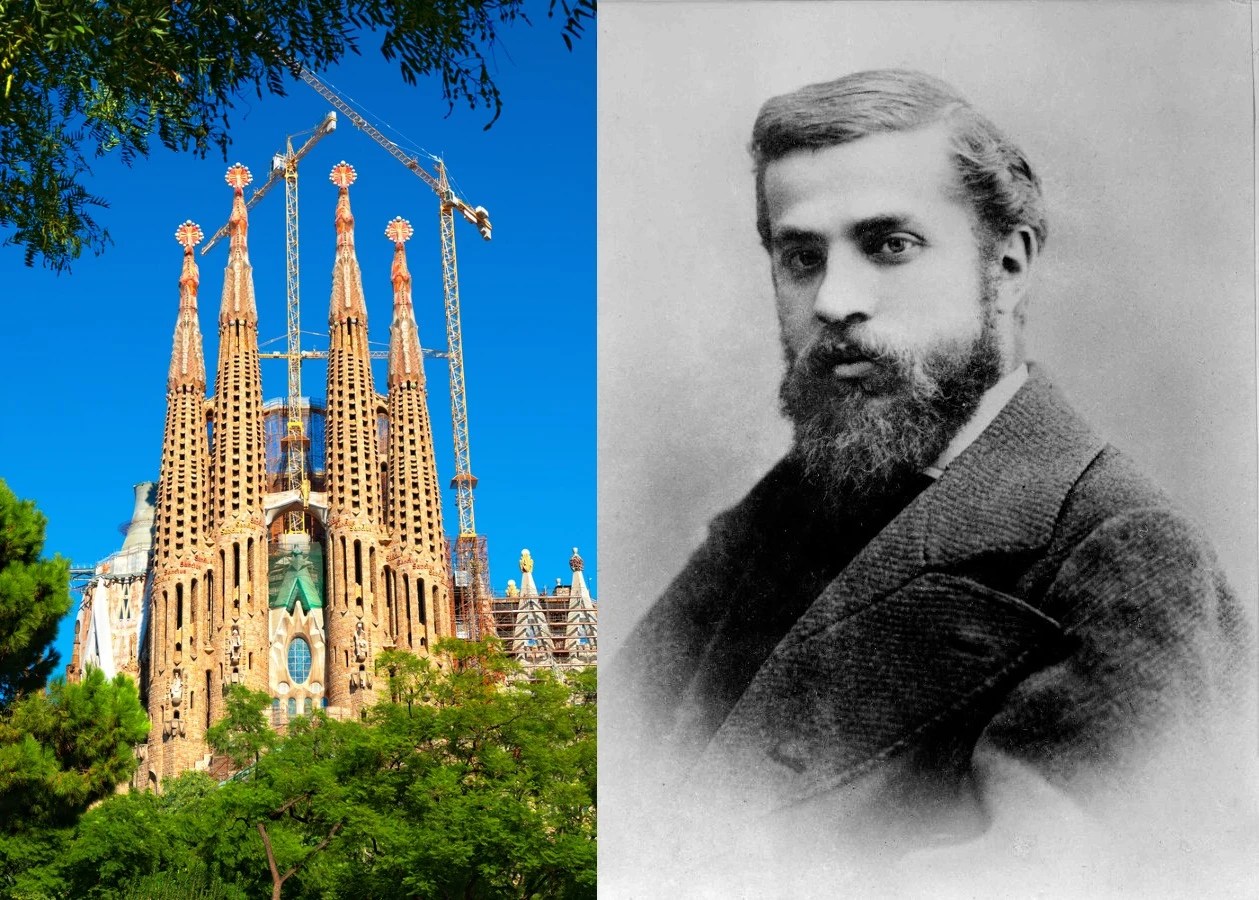
The Gaudi Church, also known as the Sagrada Familia, is a renowned tourist attraction in Barcelona, drawing millions of visitors from around the world each year. Its unique design, rich history, and spiritual significance make it a must-see destination for tourists visiting the city.
Reasons for Popularity
The popularity of the Gaudi Church can be attributed to several factors:
- Unique Architecture: Antoni Gaudi's innovative architectural style, inspired by nature and religion, creates a one-of-a-kind masterpiece that captivates visitors.
- Cultural Significance: The church is a symbol of Catalan identity and tradition, attracting tourists interested in exploring the region's culture and history.
- Ongoing Construction: The fact that the Gaudi Church is still under construction after more than a century adds to its allure, as visitors can witness the evolution of this iconic building.
Impact on Tourism
The Gaudi Church has had a significant impact on tourism in Barcelona:
- Increased Visitor Numbers: The presence of the Gaudi Church has contributed to a boost in tourism, with many travelers specifically choosing to visit Barcelona to see this architectural marvel.
- Economic Benefits: The influx of tourists visiting the Gaudi Church has led to the growth of the tourism industry in Barcelona, creating jobs and generating revenue for the local economy.
- Cultural Exchange: The international recognition of the Gaudi Church has facilitated cultural exchange, as visitors from diverse backgrounds come together to appreciate this masterpiece.
Visitors’ Experiences
Many visitors to the Gaudi Church have shared memorable experiences:
- Feeling of Awe: The sheer size and intricate details of the church often leave visitors in awe, as they marvel at the architectural genius behind its construction.
- Spiritual Reflection: For some, the Gaudi Church offers a sacred space for contemplation and spiritual reflection, creating a sense of peace and tranquility amidst the bustling city.
- Photographic Opportunities: The Gaudi Church provides endless photo opportunities, with its stunning facades, stained glass windows, and towering spires serving as perfect backdrops for memorable shots.
Epilogue
As we conclude our exploration of Gaudi Church, we are left with a profound appreciation for its cultural significance and unparalleled beauty. This architectural masterpiece not only symbolizes the creative genius of Antoni Gaudi but also serves as a timeless beacon of inspiration for generations to come.
FAQs
What was the inspiration behind the design of Gaudi Church?
The design of Gaudi Church draws inspiration from nature, incorporating organic forms and intricate details that reflect Gaudi's deep connection to the environment.
What are some unique architectural elements of Gaudi Church?
Gaudi Church is known for its towering spires, intricate facades adorned with colorful mosaics, and innovative structural design that defies traditional norms.
How did the construction of Gaudi Church impact tourism in Barcelona?
The completion of Gaudi Church boosted tourism in Barcelona, attracting millions of visitors annually who are drawn to its unique charm and architectural splendor.