Embark on a journey through the world of interior website design, where aesthetics meet functionality to create an immersive online experience. From captivating visuals to seamless navigation, discover how these elements come together to elevate user engagement and drive conversions.
Delve deeper into the realm of interior website design as we explore essential features, design elements, and content strategies that define a successful online presence in the interior design industry.
Importance of a Well-Designed Interior Website
Having a well-designed interior website plays a crucial role in enhancing the overall user experience. A visually appealing and user-friendly website can significantly impact the way potential clients interact with your business.
Enhanced User Experience
When a website is well-designed, it creates a seamless and enjoyable experience for users. A clean layout, easy navigation, and visually pleasing elements can make it easier for visitors to find the information they need and engage with your content effectively.
Attracting Potential Clients
A visually appealing website has the power to attract potential clients and leave a lasting impression. When users land on a well-designed site, they are more likely to stay longer, explore different sections, and ultimately consider your services or products.
Improved Engagement and Conversion Rates
By incorporating a user-friendly interface, you can improve engagement levels and increase conversion rates. When visitors can easily find what they are looking for and navigate through your website effortlessly, they are more likely to take the desired actions, such as making a purchase or reaching out for inquiries.
Essential Features for an Interior Website
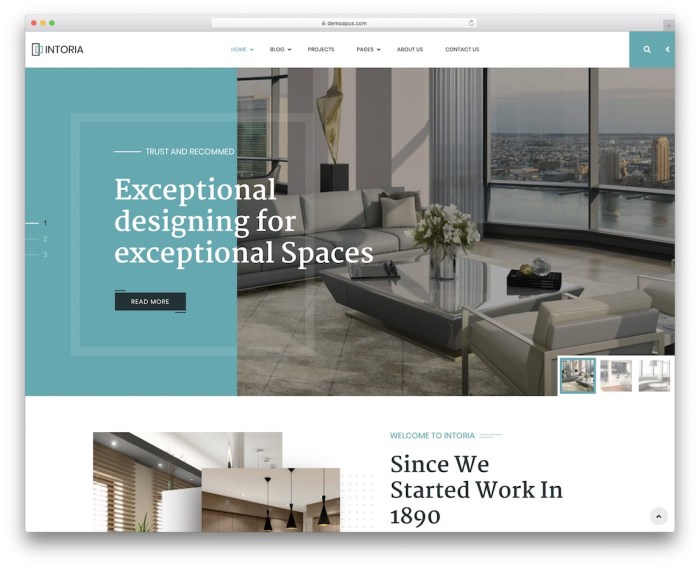
When creating an interior website, there are several key features that are essential to ensure a successful online presence in the competitive design industry. These features not only enhance the user experience but also help showcase your work effectively and generate leads for potential clients.
High-Quality Images of Past Projects
Including high-quality images of your past interior design projects is crucial for showcasing your skills and expertise to potential clients. These images serve as a visual portfolio, allowing visitors to see the quality of your work and the style of your designs.
By providing a gallery of your projects, you can inspire trust and confidence in your abilities as a designer.
Clear Navigation for Easy Access to Different Sections
A well-structured and easy-to-navigate website is essential for keeping visitors engaged and helping them find the information they need quickly. Clear navigation menus that categorize different sections of your website, such as services, portfolio, about, and contact, ensure a seamless browsing experience.
Make sure to use descriptive labels and organize the content logically to guide visitors through your site effortlessly.
Incorporating a Contact Form for Inquiries
Including a contact form on your interior website is essential for converting visitors into potential clients. By providing a convenient way for visitors to reach out to you with inquiries or project requests, you can capture leads and start building relationships with potential customers.
Make sure the contact form is easy to find, user-friendly, and prompts visitors to provide essential information for follow-up.
Design Elements for an Interior Website
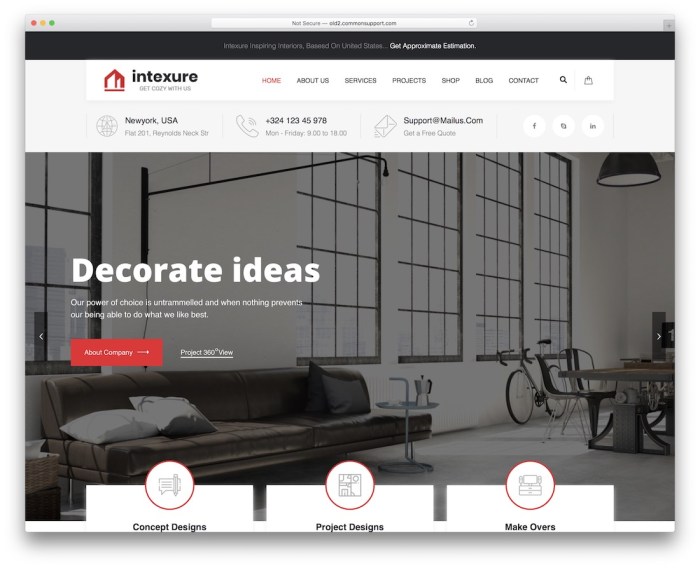
When it comes to designing an interior website, the visual elements play a crucial role in capturing the essence of the brand and creating a memorable user experience. Let's delve into some key design elements that are essential for creating a stunning interior website.
Ideal Color Scheme
Choosing the right color scheme is vital for an interior website as it can influence the overall aesthetic and brand identity. For an interior website, a harmonious color palette that reflects the brand's style and personality is key. Soft, muted tones like pastels or earthy colors can evoke a sense of elegance and sophistication, while bold and vibrant colors can add a touch of creativity and modernity.
It's important to maintain consistency in color usage across the website to create a cohesive and visually appealing design that resonates with the target audience.
Use of Whitespace
Whitespace, or negative space, is a powerful design element that can help create a clean and sophisticated look for an interior website. By strategically incorporating whitespace around text, images, and other elements, you can improve readability, draw attention to important content, and create a sense of balance and harmony.
Whitespace can also enhance the overall user experience by reducing visual clutter and allowing the design elements to breathe. A well-balanced use of whitespace can elevate the visual appeal of an interior website and make it more engaging for visitors.
Importance of Responsive Design
In today's digital landscape, where users access websites on a wide range of devices, responsive design is crucial for ensuring a seamless viewing experience across desktops, laptops, tablets, and smartphones. An interior website with responsive design adapts to different screen sizes and resolutions, allowing users to navigate easily and access content without any distortion or usability issues.
By optimizing the layout, images, and content for various devices, a responsive design enhances user engagement, improves search engine rankings, and contributes to a positive brand image. Prioritizing responsive design is essential for reaching a broader audience and delivering a consistent brand experience across all devices.
Content Strategy for an Interior Website
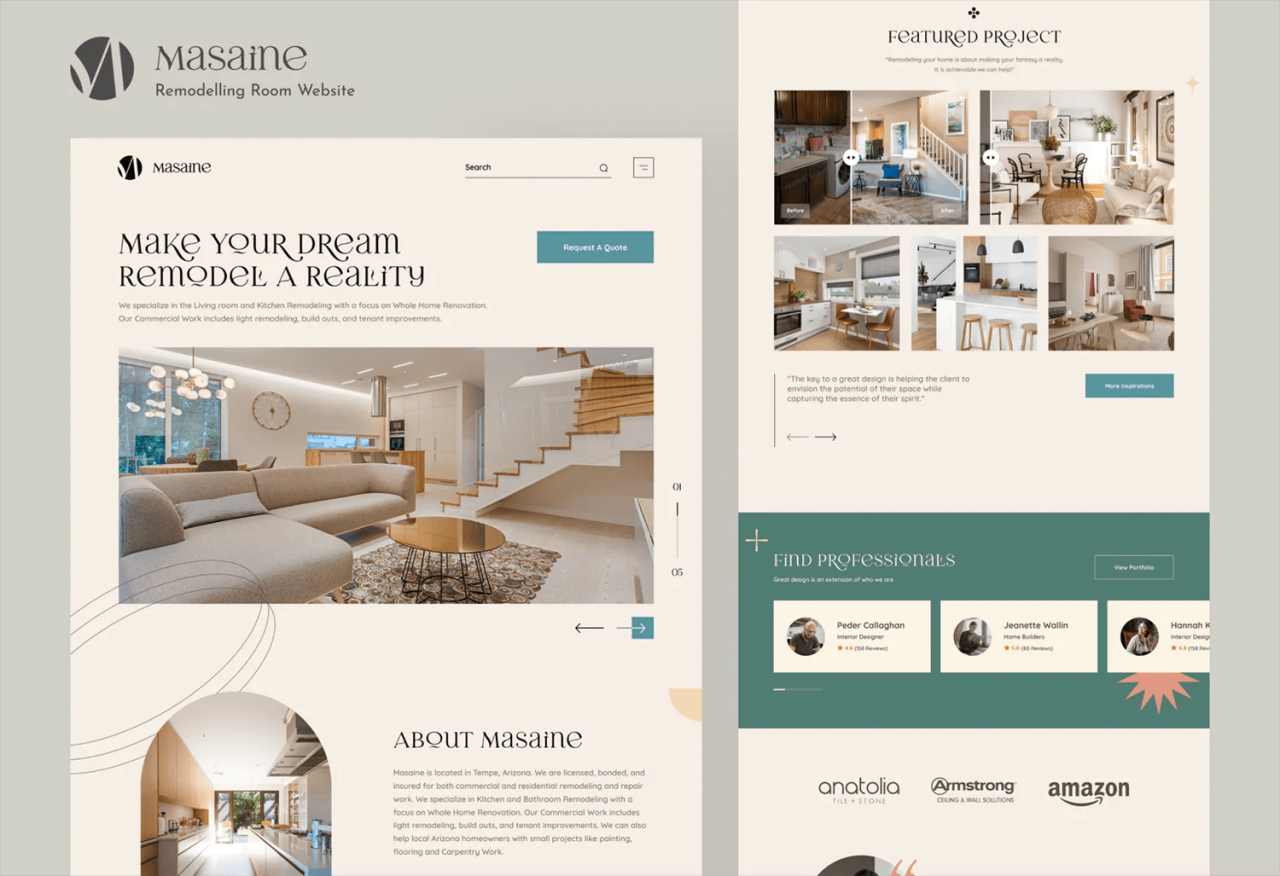
When it comes to creating engaging project showcases for an interior website, it is essential to showcase a variety of projects that highlight different styles, themes, and design elements. This helps visitors get a sense of the range of services you offer and your design capabilities.
Guidelines for creating engaging project showcases
- Include high-quality images: Ensure that the images of your projects are clear, well-lit, and showcase the details of your work.
- Provide detailed descriptions: Accompany each project with a brief description that highlights the design concept, materials used, and any unique features.
- Before-and-after shots: Incorporating before-and-after photos can effectively demonstrate the transformation your design has brought to a space.
- Include a variety of project types: Showcasing a mix of residential, commercial, and other types of projects can appeal to a wider audience.
Benefits of incorporating client testimonials and reviews
Client testimonials and reviews are powerful tools that can build trust with potential clients. By showcasing positive feedback from satisfied clients, you can establish credibility and demonstrate the quality of your work. Additionally, testimonials can provide insight into your design process and customer service, helping visitors make informed decisions.
Importance of regularly updating content to keep the website fresh
Regularly updating content on your interior website is crucial to keep visitors engaged and coming back for more. Fresh content not only improves search engine rankings but also shows that your business is active and up-to-date. Whether it's adding new project showcases, blog posts, or design tips, updating your website regularly can help showcase your expertise and attract new clients.
End of Discussion
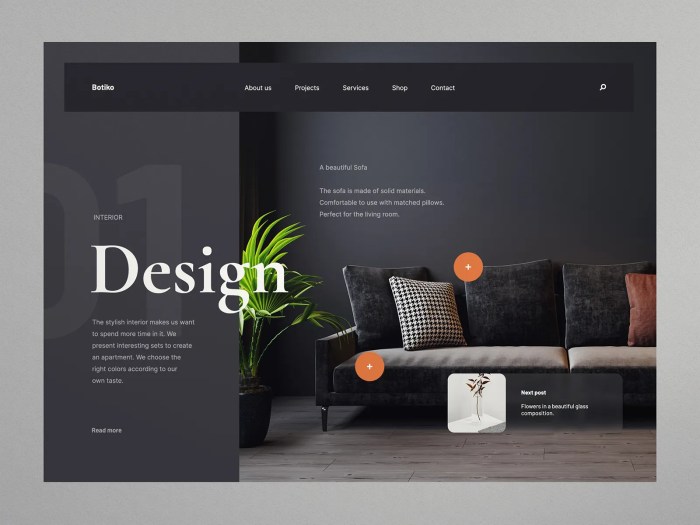
As we conclude our exploration of interior website essentials, remember that a well-crafted online platform can be a powerful tool in showcasing your brand's unique identity and attracting potential clients. By integrating thoughtful design elements and engaging content, you can create a digital space that resonates with your audience and leaves a lasting impression.
Top FAQs
How can a well-designed interior website enhance user experience?
A well-designed interior website improves navigation, showcases projects effectively, and provides easy access to information, enhancing user satisfaction.
Why is regular content updating important for an interior website?
Regularly updating content keeps the website fresh, engages visitors, boosts , and reflects the brand's commitment to staying relevant.
What design elements contribute to a visually appealing interior website?
An ideal color scheme, effective use of whitespace, and responsive design are key elements that enhance the visual appeal of an interior website.