Label design plays a crucial role in captivating consumers and establishing a strong brand presence. From typography to color schemes, every element is carefully curated to convey essential product information and brand identity. Let's delve into the world of label design and explore its impact on consumer perception and purchasing decisions.
Importance of Label Design
Label design plays a crucial role in branding and product packaging as it serves as the first point of contact between a consumer and a product. A well-designed label can attract attention, communicate essential information, and convey the brand's identity effectively.
Impact on Consumer Perception
- Eye-catching labels can create a positive first impression, influencing consumers to choose one product over another on the shelf.
- Consistent and visually appealing label design can build brand recognition and trust among consumers.
- Labels that reflect quality and professionalism can enhance the perceived value of a product, influencing purchasing decisions.
Conveying Product Information and Brand Identity
- Label design can effectively communicate product features, ingredients, usage instructions, and other relevant information to consumers.
- Distinctive branding elements such as logos, colors, and typography on labels help differentiate a product from competitors and reinforce brand identity.
- Well-designed labels that align with a brand's values and messaging can create a strong connection with consumers, fostering brand loyalty.
Elements of Effective Label Design
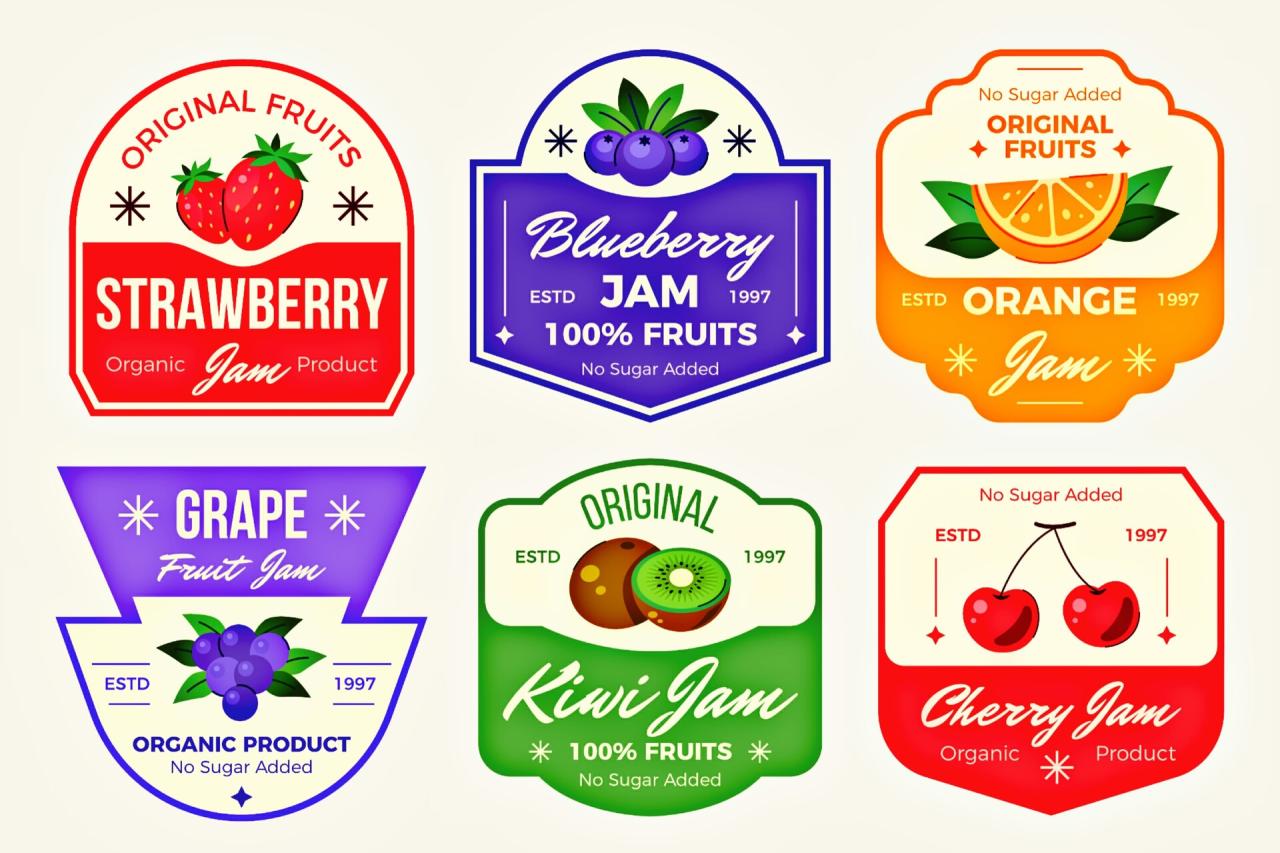
When it comes to creating visually appealing and informative labels, several key elements play a crucial role in catching the consumer's attention and conveying relevant information. Typography, color scheme, imagery, and layout are essential components that contribute to the overall design of a label.
Let's delve into how each of these elements impacts the effectiveness of label design.
Typography
Typography refers to the style, size, and arrangement of text on a label. Choosing the right font can help convey the brand's personality and message. Additionally, legible typography ensures that important information is easily readable for consumers. By selecting appropriate fonts and considering factors such as readability and hierarchy, typography can enhance the overall appeal and effectiveness of a label design.
Color Scheme
The color scheme used in a label design can evoke specific emotions, convey brand identity, and attract attention. Colors play a vital role in creating visual interest and highlighting key information on a label. By selecting a cohesive color palette that aligns with the brand and product, designers can create an aesthetically pleasing label that resonates with consumers.
Consistency in color use across different product lines also helps in establishing brand recognition.
Imagery
Including imagery on a label can enhance the visual appeal and communicate product features or benefits effectively. Images or graphics can help create a connection with consumers, provide context to the product, and make the label more engaging. When selecting imagery for a label, it is essential to consider the relevance, quality, and placement to ensure that it complements the overall design and reinforces brand messaging.
Layout
The layout of a label involves organizing all the elements such as text, images, and other design elements in a visually pleasing and logical manner. A well-structured layout guides the consumer's eye, highlights important information, and creates a harmonious balance between different components.
Consistency in layout design across product variations or packaging sizes helps in maintaining brand identity and ensuring a cohesive look on the shelves.Incorporating these key elements of typography, color scheme, imagery, and layout into label design is essential for creating visually appealing and informative labels.
Consistency in design and clarity in conveying relevant information are crucial aspects that contribute to the overall effectiveness of label design.
Trends in Label Design
Label design trends play a crucial role in capturing consumer attention and influencing purchasing decisions across various industries. Let's explore some of the current trends shaping label design in sectors like food and beverage, cosmetics, and pharmaceuticals.
Innovative Label Design Trends and Impact
Innovative label design trends are revolutionizing the way products are presented to consumers. Incorporating interactive elements such as QR codes, augmented reality, and NFC technology on labels enhances consumer engagement by providing additional product information, promotions, or even interactive experiences.
This trend not only creates a more immersive shopping experience but also builds brand loyalty and trust.
Technology and Sustainability Influence
Technology and sustainability are two major factors influencing modern label design practices. With the increasing focus on sustainability, labels made from eco-friendly materials, biodegradable packaging, and minimalist designs are gaining popularity. Additionally, technological advancements have enabled personalized labels, dynamic content updates, and anti-counterfeiting features to enhance product security and traceability.
The integration of these elements not only reflects a brand's commitment to environmental responsibility but also improves consumer perception and trust in the product.
Best Practices for Label Design
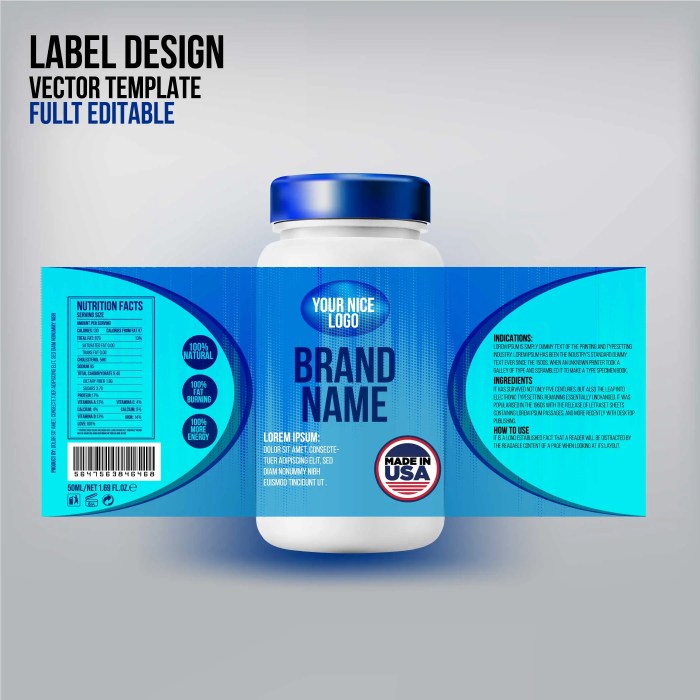
When it comes to label design, there are several best practices to keep in mind to ensure your labels are both visually appealing and practical. Understanding your target audience, adhering to legal requirements, and following industry standards are crucial aspects of creating effective labels.
Understanding the Target Audience
Creating labels that resonate with your target audience is essential for the success of your product. Consider factors such as age, gender, preferences, and buying habits when designing labels. Tailoring your design to appeal to your specific demographic can significantly impact the success of your product.
Compliance with Legal Requirements and Industry Standards
It is important to ensure that your labels comply with legal requirements and industry standards. This includes including all necessary information such as ingredients, nutritional facts, allergens, and proper warnings. Failure to comply with these regulations can result in fines or even legal action.
Be sure to stay updated on any changes in regulations to keep your labels compliant.
Tips for Creating Aesthetically Pleasing and Functional Labels
- Keep it simple: Avoid cluttered designs and opt for a clean, easy-to-read layout.
- Use high-quality images and graphics: Visuals can enhance the overall look of your label and attract consumers.
- Choose the right typography: Select fonts that are legible and complement your brand identity.
- Consider label placement: Ensure important information is prominently displayed and easy to find.
- Test your design: Get feedback from a focus group or conduct A/B testing to see which design resonates best with your target audience.
Final Conclusion
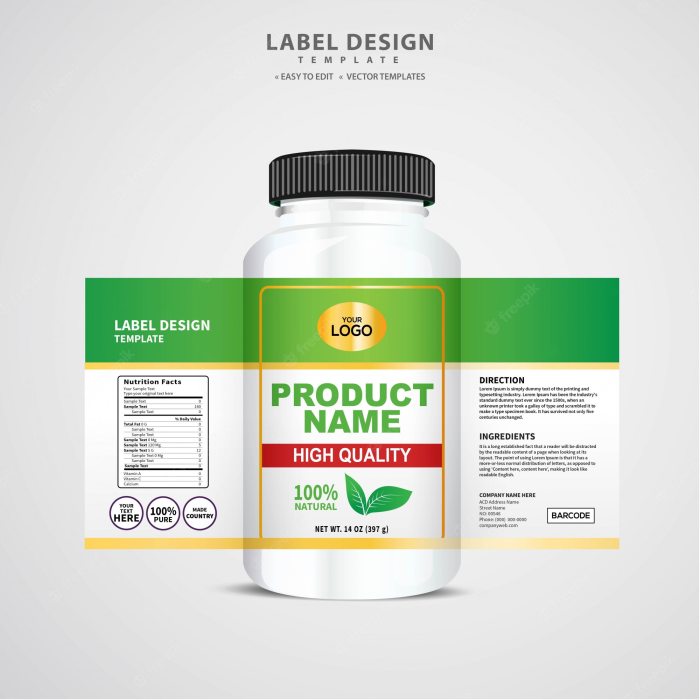
In conclusion, mastering the art of label design is key to creating visually appealing and informative labels that resonate with your target audience. By staying updated on the latest trends and adhering to best practices, you can elevate your brand's packaging and leave a lasting impression on consumers.
FAQ Resource
How does label design impact consumer purchasing decisions?
Label design influences consumer perception, making products more appealing and trustworthy, ultimately influencing purchasing decisions.
What are the key elements of effective label design?
Key elements include typography, color scheme, imagery, and layout, each contributing to creating visually appealing and informative labels.
How can I ensure compliance with legal requirements in label design?
Ensure compliance by understanding industry standards, legal regulations, and incorporating necessary information on the label.