Exploring the issue of missing siding on houses, this introduction sets the stage for a comprehensive discussion on the causes, consequences, and repair of this common problem. From harsh weather conditions to potential water damage, the absence of siding can lead to various issues that homeowners need to be aware of.
As we delve deeper into the types of siding materials, the impact of missing siding on structural integrity, and the repair options available, readers will gain valuable insights into how to address this issue effectively.
Causes of Missing Siding on a House
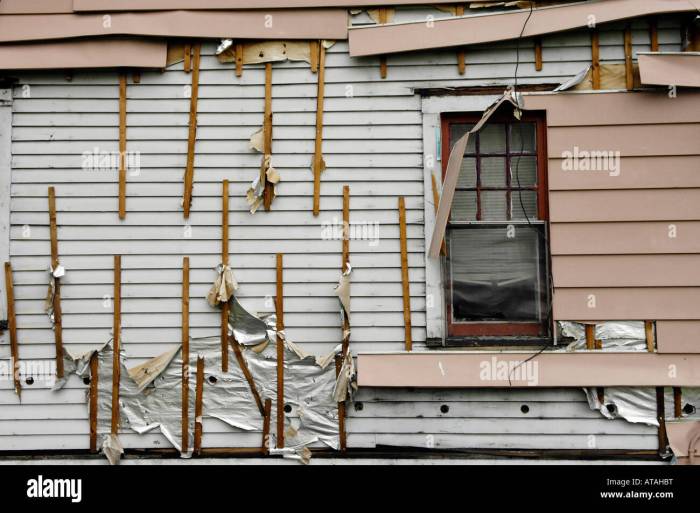
When it comes to siding issues on a house, there are several common causes that can lead to siding becoming detached or missing. These factors can range from weather conditions to poor installation practices or aging materials.
Weather Conditions
Weather plays a significant role in the condition of siding on a house. Strong winds can exert force on the siding panels, causing them to loosen or even tear off completely. Similarly, heavy rain can seep into gaps or weak points in the siding, leading to water damage and potential detachment.
Poor Installation
Improper installation of siding can also contribute to siding problems. If the siding panels are not securely fastened or if corners are cut during the installation process, the siding may not be able to withstand external forces and could easily become detached over time.
Aging Materials
As siding materials age, they can become more brittle and prone to damage. Over time, exposure to the elements can weaken the siding, making it more susceptible to detachment. It is essential to regularly inspect and maintain siding to prevent issues related to aging materials.
Types of Siding Materials
When it comes to siding materials for houses, there are several options available to homeowners. Each type of siding material has its own set of pros and cons, as well as different levels of durability and maintenance requirements.
Vinyl Siding
Vinyl siding is a popular choice for many homeowners due to its affordability and low maintenance requirements. It comes in a variety of colors and styles, making it a versatile option for different architectural designs. However, vinyl siding may not be as durable as other materials and can crack or fade over time.
Wood Siding
Wood siding provides a classic and natural look to a house, adding warmth and character. It can be painted or stained to achieve different aesthetic preferences. While wood siding is durable and can last a long time with proper maintenance, it requires regular upkeep such as painting or staining to prevent rot and decay.
Fiber Cement Siding
Fiber cement siding is known for its durability and resistance to rot, fire, and pests. It can mimic the look of wood or stucco without the high maintenance requirements. However, fiber cement siding can be more expensive than other materials and may require professional installation due to its weight.
Aluminum Siding
Aluminum siding is lightweight, easy to install, and resistant to corrosion, making it a practical choice for many homeowners. It is also recyclable, which appeals to eco-conscious individuals. However, aluminum siding may dent easily and can be prone to fading or chalking over time.
Consequences of Missing Siding
Missing siding on a house can have serious consequences that go beyond just the aesthetics of the home. It can impact the structural integrity, lead to water damage, and provide an entry point for pests and insects.
Impact on Structural Integrity
When siding is missing from a house, it exposes the underlying structure to the elements. This can weaken the structure over time, leading to potential issues such as rotting wood or mold growth. Additionally, without the protective layer of siding, the house becomes more vulnerable to damage from wind, rain, and other weather conditions.
Water Damage Issues
Exposed areas without siding are at risk of water infiltration, which can cause significant damage to the interior of the house. Water seeping through gaps or cracks can lead to rotting of the underlying materials, such as wood or insulation.
This can result in costly repairs and compromise the overall integrity of the building.
Pests and Insect Infestation
Another consequence of missing siding is the increased risk of pests and insects infiltrating the home. Small gaps or openings left by missing siding can provide easy access for rodents, insects, and other unwanted critters. Once inside, these pests can cause damage to the structure and pose health risks to the occupants.
Repairing Missing Siding
![How To Replace Siding On A House [Step By Step Guide]](https://software.psikologmudha.com/wp-content/uploads/2025/11/Close-up-of-exterior-suburb-house-siding-repair-of-missing-blue-wood-shingles-under-construction-remodeling-1024x683-1.jpg "How To Replace Siding On A House [Step By Step Guide]")
When it comes to repairing missing siding on your house, there are several steps that homeowners can take to address the issue effectively. Whether you choose to tackle the repair yourself or hire a professional siding contractor, it's important to follow the proper guidelines to ensure a successful repair.
Removing Damaged Siding and Preparing for Replacement
If you notice missing or damaged siding on your house, the first step is to safely remove the affected pieces. Start by carefully prying off the damaged siding using a pry bar or hammer. Be sure to wear gloves and eye protection to avoid injury during this process.
Once the damaged siding is removed, assess the underlying area for any signs of moisture or rot. Make any necessary repairs to the sheathing or insulation before proceeding with the replacement siding.
DIY Repair vs. Hiring a Professional
When it comes to repairing missing siding, homeowners have the option to tackle the repair themselves or hire a professional siding contractor. DIY repairs can be cost-effective, but it's essential to have the necessary skills and tools to complete the job correctly.
If you're not confident in your abilities or the extent of the damage is significant, it may be best to hire a professional. A siding contractor will have the expertise and experience to ensure the repair is done correctly and efficiently, saving you time and potential headaches in the long run.
Closing Summary
In conclusion, addressing missing siding on your house is crucial to maintaining its integrity and protecting it from potential damage. By understanding the causes, consequences, and repair methods discussed, homeowners can take proactive steps to ensure their homes are well-maintained and secure.
Clarifying Questions
What are the common reasons for siding becoming detached or missing?
Common reasons include poor installation, aging materials, and harsh weather conditions.
How does missing siding impact the structural integrity of a house?
Missing siding can compromise the structural integrity by exposing the underlying structure to elements.
Can pests and insects infiltrate a home through gaps left by missing siding?
Yes, gaps in siding can provide entry points for pests and insects, leading to potential infestations.
What steps should homeowners take when addressing missing siding on their house?
Homeowners should assess the extent of the damage, safely remove damaged siding, and consider repair options.
Is it better to opt for DIY repair or hire a professional siding contractor?
The choice between DIY repair and hiring a professional depends on the extent of the damage and the homeowner's comfort level with repairs.